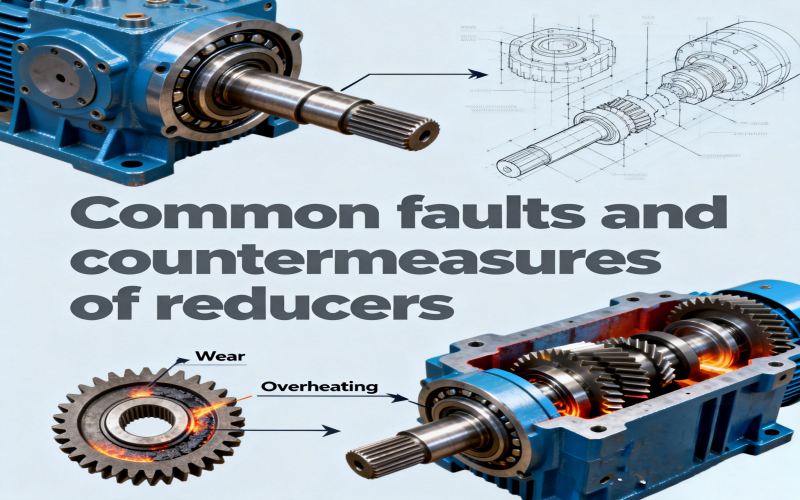


Since a reducer is a transmission device, many faults often occur during its operation due to external working conditions (e.g., bearing heavy loads) and internal factors.
2026-06-12 ABB MOTOR 105
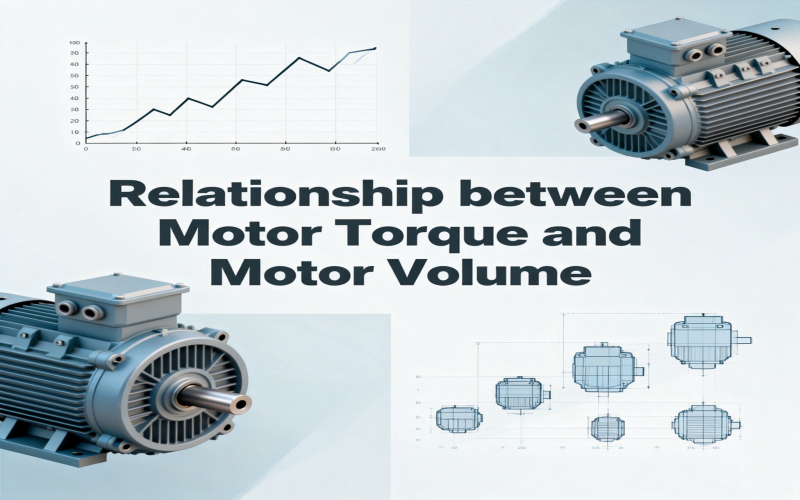
It can be stated boldly – and accurately – that the overall volume of a motor is determined by the torque it must produce: the larger the volume, the greater the torque. Of course, there may be exceptions to this rule, but as a general guideline for motor selection, it is very useful.
2026-06-11 ABB MOTOR 86
Low-voltage motors are subject to mandatory BSMI inspection and control, while high-voltage motors are not subject to this restriction. Currently, high-voltage motors have no mandatory energy efficiency regulations and do not require registration in any official system; they only need to comply with relevant specifications for high-voltage electrical equipment.
2026-05-26 ABB MOTOR 128
KC Certification (Korea Certification) is a mandatory certification implemented by the Korean government to ensure the safety of electronic products and consumer goods. The Korean market has strict requirements for product safety and quality, and obtaining KC Certification is crucial for products to enter the Korean market.
2026-05-11 ABB MOTOR 87
For Chinese companies planning to export products to Mexico, understanding the local compliance certification system is the first critical step to successfully entering the market. Among the various certifications in Mexico, NOM and FIDE are the two most relevant for electronic and electrical products. The former is a mandatory market access standard, while the latter is a voluntary energy efficiency label. This article provides a systematic overview of the key aspects of both certifications, offering practical compliance guidance for exporters.
2026-04-23 ABB MOTOR 136
The core difference between the routine test (factory test) and the type test for high-voltage three-phase asynchronous motors is:
The routine test is a "factory pass certificate" performed on every motor to verify the manufacturing quality of each unit. The type test is a "design validation report" performed on a sample from the same specification to verify the design and performance compliance of the entire series.
2026-04-16 ABB MOTOR 256
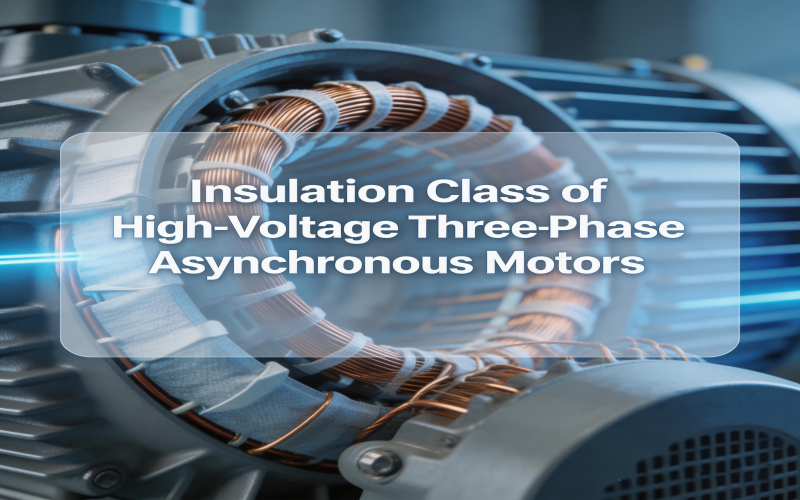
The insulation class of high-voltage three-phase asynchronous motors is a core technical indicator defined based on the maximum allowable operating temperature of the insulation materials.
2026-04-10 ABB MOTOR 222
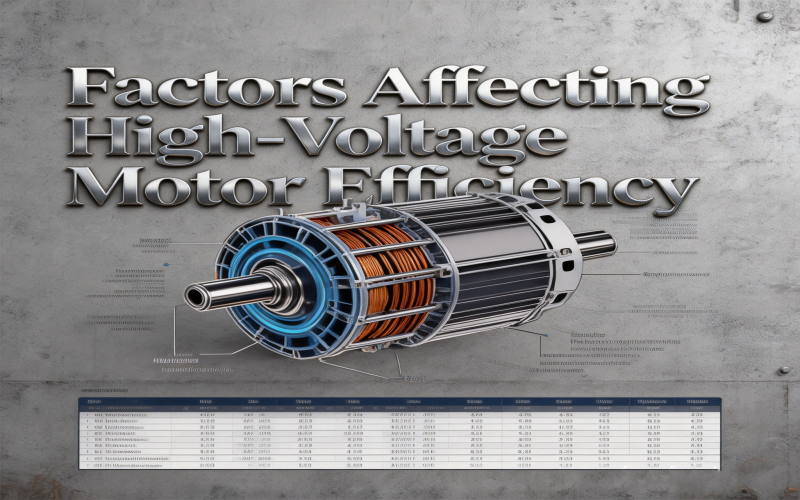
There are many factors that affect the efficiency of high-voltage motors, including motor body losses, operating conditions, design and structural factors, as well as installation, maintenance, and environment. A detailed analysis is provided below.
2026-03-27 ABB MOTOR 126